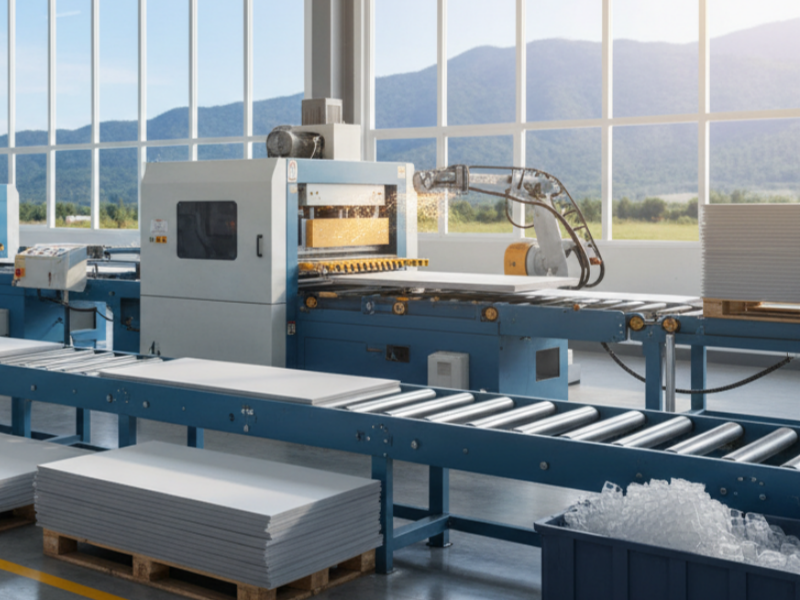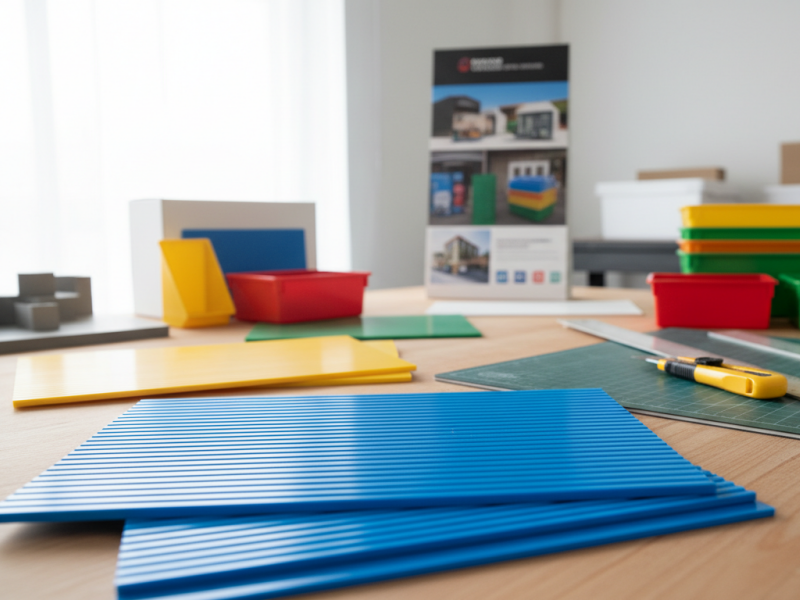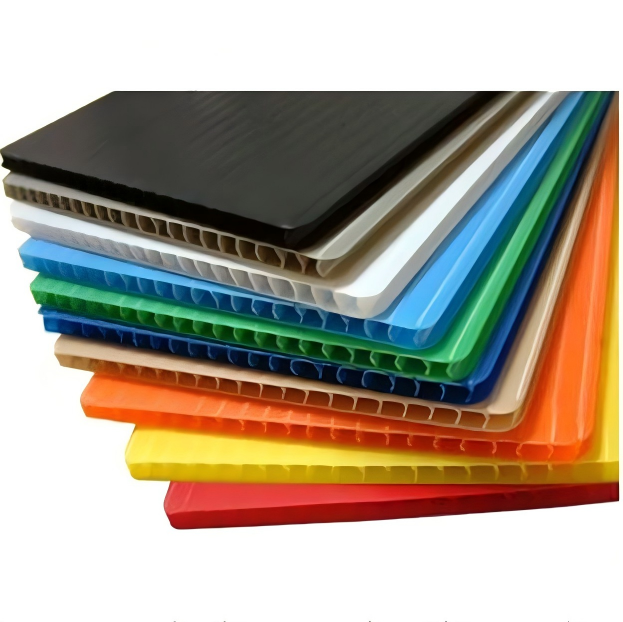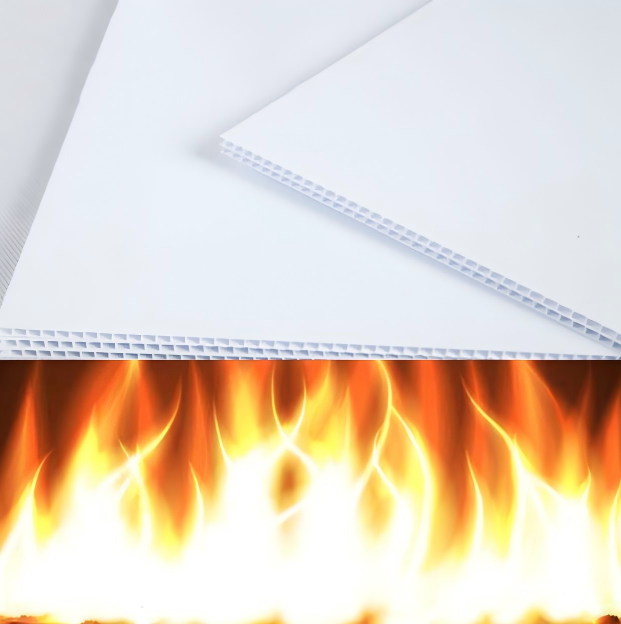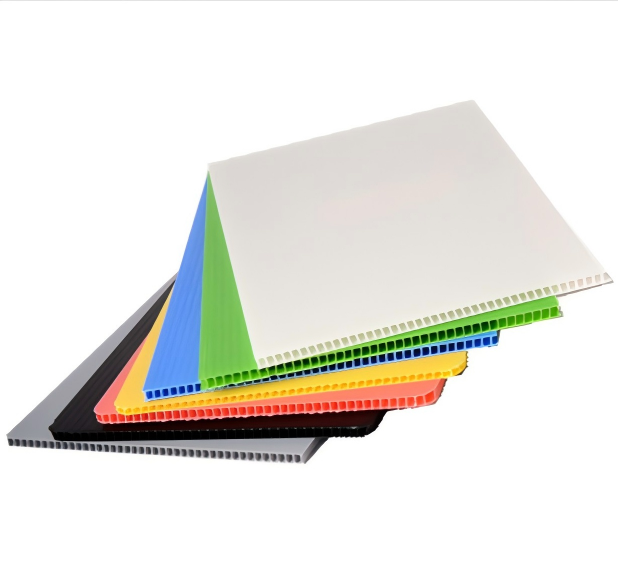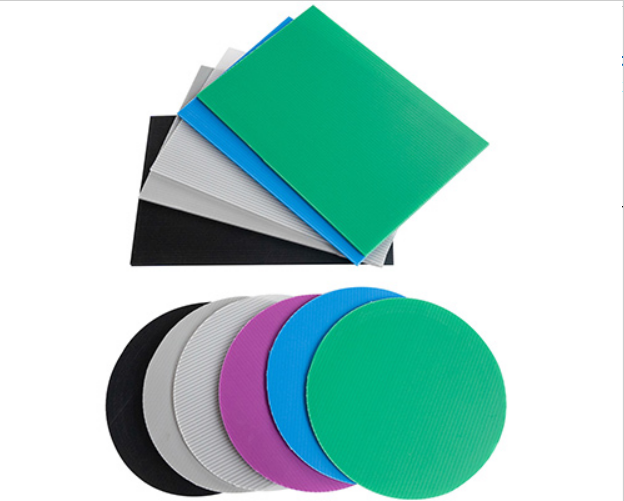
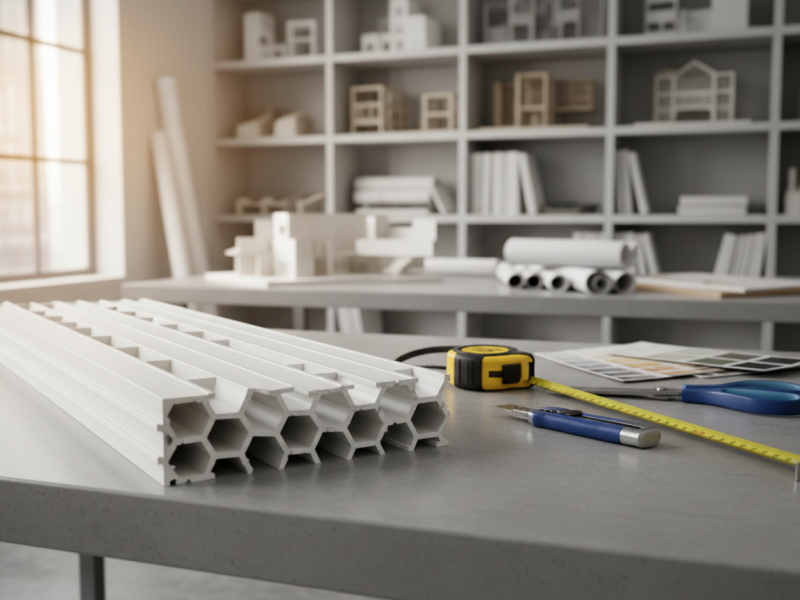
This material is a lightweight, corrugated plastic sheet made for protection, separation, and reusable transport. Buyers like it because it cuts handling damage, stacks easily, and works as a cost-effective protective product for pallets and crates.
The guide below reads like a practical shopping checklist. You will learn how to compare thickness, durability, and structure so you can pick the right option for your workflow and budget. We also highlight long-term protection and reuse to reduce damage in transit.
Keep in mind that suppliers use different constructions and polymers, so focus on stated performance, intended use, and warranty rather than marketing names.
Later sections give quick comparison tips and a clear checklist to move you from “what it is” to “what to buy” without guesswork.
What is hollow board and how it’s made
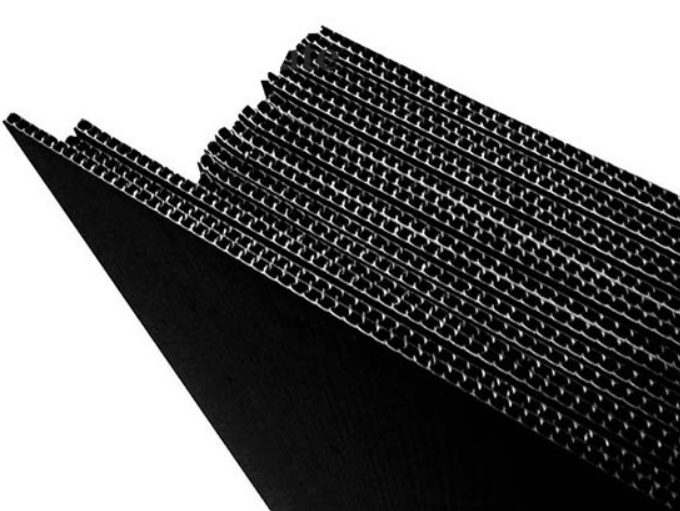
A fluted plastic panel offers stiff support thanks to internal channels, not solid mass. That internal geometry creates rigidity while saving weight, which matters for handling and shipping.
“Internal channels act like tiny I-beams: they resist bending with far less material than a solid sheet.”
Core geometry vs solid sheets
Internal channels—often flute-like—give good stiffness and crush resistance. Solid sheets rely on thickness for strength. In practice, the fluted option stacks well and bends less under load for many shipping uses.
Common materials and how they’re formed
Many panels are made from polypropylene (PP) and other plastic resins. Producers extrude flat sheets, then form internal webs to create consistent channels. This process keeps dimensions repeatable for packaging lines and reorder reliability.
Typical uses and supplier questions
- Reusable packaging, pallet sheets, and tote liners
- Box reinforcement, layer pads, and protective panels
Ask suppliers about core pattern, sheet density, and suitability for repeated reuse to match the right product to the job.
Benefits and performance features customers look for
A reliable protective sheet stands up to moisture, repeated handling, and rough storage with minimal care. That low-maintenance trait translates into fewer repairs, less cleaning, and less downtime for packing lines.
Weather-resistant, low-maintenance performance for everyday use
Weather-resistant surfaces handle routine moisture, splashes, and humid warehouses without degrading. In practice this means fewer torn liners, less surface staining, and quicker turnarounds between reuse cycles.
Resistance advantages: water, slip, mold, mildew, and termites
Buyers often want clear claims: water and slip resistance reduce damaged goods and handling incidents.
Mold, mildew, and termite resistance keep reusable sheets cleaner and safer for long-term storage or residential deliveries.
Quality and durability considerations, including warranty expectations
Look for measurable quality markers: smooth surface finish, clean edge integrity, and stiffness under repeated stacking. Test samples under load and after cleaning cycles.
“A 10 Year Limited Warranty for a WPC grooved-edge product shows long-term durability claims may come with terms worth reviewing.”
Why this can be a smart choice for long-lasting protection
Resistance features often cut secondary packaging needs, saving material and labor over time. Before buying, ask about intended environment, expected water contact, cleaning routines, and batch consistency.
- Buyer checklist: surface finish, edge integrity, stiffness, and reuse performance.
- Trust signals: responsive team support, clear specs, and documented durability claims.
Choosing the right board: thickness, sizing, and price factors
Choosing the proper sheet thickness and dimensions helps you balance protection, weight, and cost. Use the questions below to match material options to your packing line and handling patterns.
Board thickness options to consider: 12mm, 15mm, and 18mm
Common options are 12mm, 15mm, and 18mm. A 12mm sheet works well for light separators and layer pads. It keeps weight low and stays easy to handle.
Firmer 15mm panels suit mixed loads and medium stacking. The 18mm choice is best when you need heavier protection or impact resistance on palletized goods.
How thickness affects strength, weight, and overall packaging performance
Thicker sheets increase stiffness and impact tolerance but add weight. More weight can raise shipping costs and make manual handling harder.
Think about how often you reuse sheets and how much load they will carry. Thicker options pay off when they cut replacement frequency.
Understanding price: what drives cost across hollow board products
Price depends on thickness, resin or plastic formulation, surface finish, edge style, order quantity, and freight. A listed PP variant shows ₱1,650.00 for a common thickness—use that as a like-for-like check when comparing US quotes.
Comparing boards and product variants for the best value
- Compare performance claims and measured specs, not just photos.
- Check lead time and whether a supplier can repeat the same run reliably.
- Focus on total cost of use: reuse cycles, damage reduction, and replacement rate.
“Buy for consistent specs and lower lifetime cost rather than the lowest upfront price.”
Conclusion
A smart purchase centers on clear specs, consistent supply, and measurable durability. Review material type, thickness, resistance claims, and repeat-use performance when you compare options.
Match the board you buy to your handling conditions and replacement goals. Use a short checklist: material, thickness, documented performance, and batch consistency to evaluate competing products.
Customer outcomes improve when suppliers offer transparent specs and a responsive team for planning and ordering. Our team can help with samples, quotes, and lead-time checks so you select the right product with confidence.
Request a sample, confirm lead times, and choose quality over shortcuts to protect goods and cut lifetime cost.