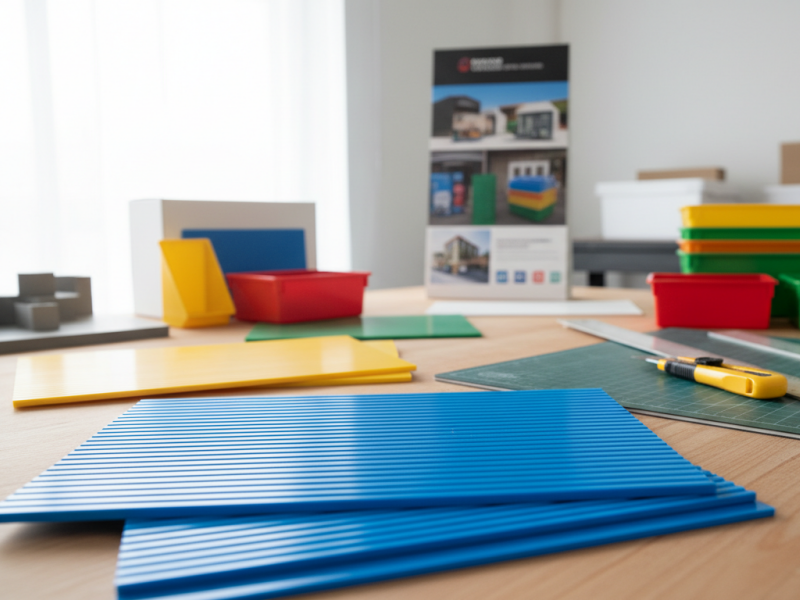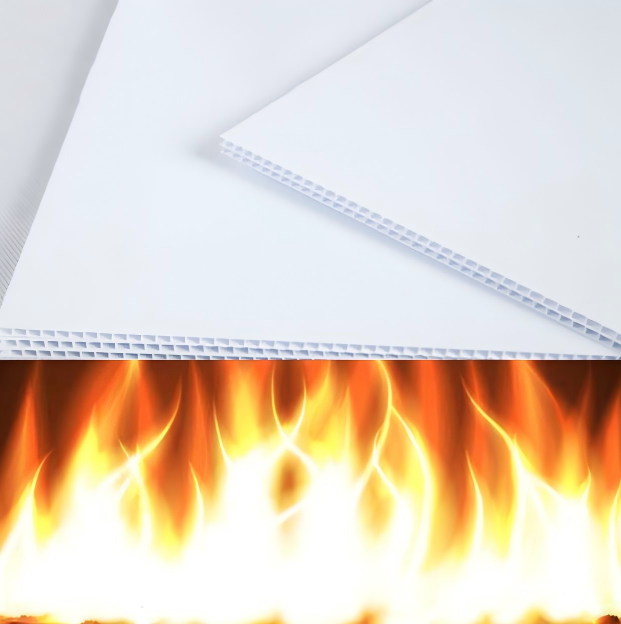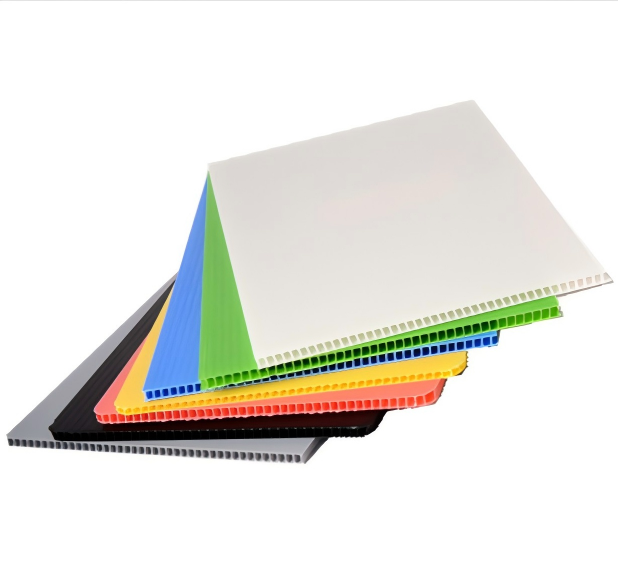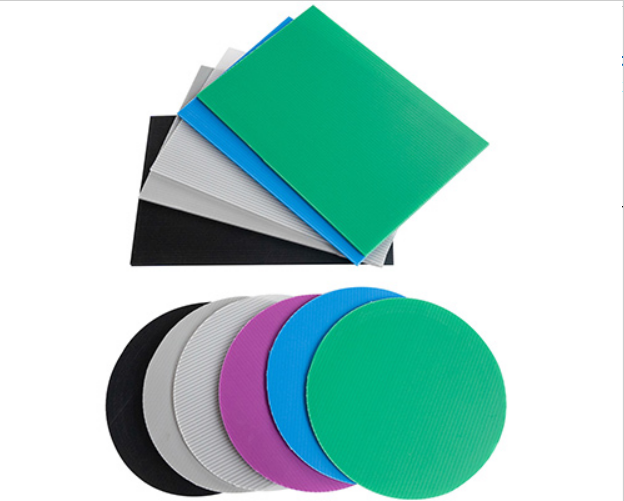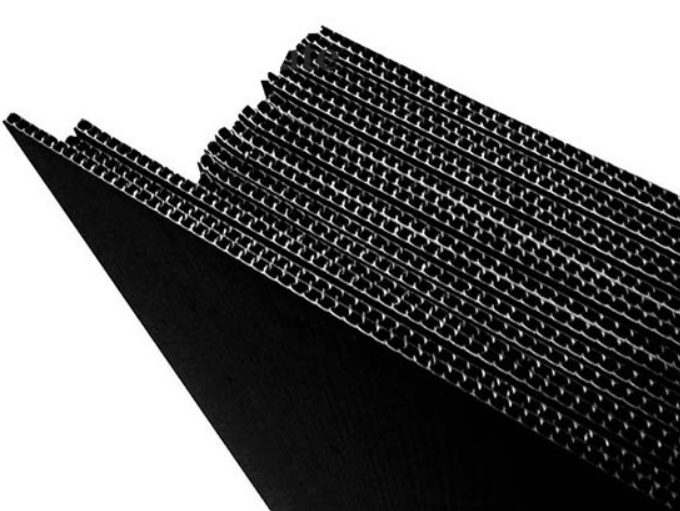
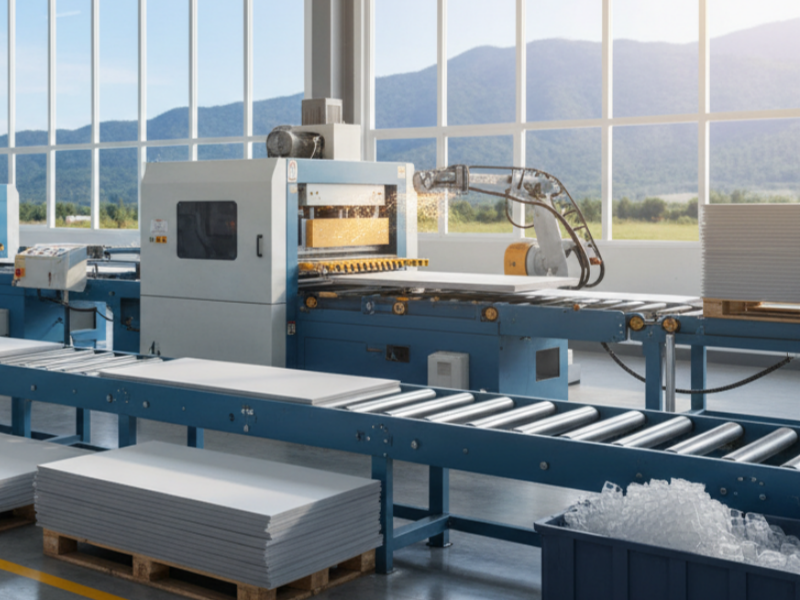
Choosing the right supplier for jobsite panels changes how a project runs. A hollow panel is a lightweight, reusable construction element designed to speed handling and lower labor time.
This page is a practical resource for U.S. buyers who evaluate long-term supply, repeatability, and on-site performance. We focus on schedule certainty, panel consistency, and reducing rework risk.
Readers include general contractors, concrete and foundation crews, formwork rental firms, distributors, and project managers. Typical decision criteria cover material options, core design, specs, and handling speed under varied site conditions.
Visitors will learn standard specifications, common construction uses, performance benchmarks, and how ordering and shipping work for U.S. projects. Expect guidance that supports ongoing procurement with documentation-ready specs and consistent production controls.
Partnering With a U.S.-Focused Hollow Board Manufacturer for Consistent Supply
On-time deliveries and clear documentation change how crews plan pours in modern construction. A U.S.-focused supply means stable lead times, communication in U.S. time zones, and packing that matches procurement rules.
Service capabilities that matter
Contractors and distributors rely on consistent panel runs and repeatable specs to avoid rework. Phased releases support multi-stage schedules and let teams stage materials by pour.
Meeting jobsite and fulfillment expectations
Fulfillment coordinates shipping windows and plans for laydown limits or forklift access. Predictable packaging reduces the risk of partial deliveries and delays.
| Need | What we provide | Benefit |
|---|---|---|
| Stable lead times | US-aligned production runs | Reliable schedule planning |
| Repeat orders | Standardized products & labeling | Fast re-stock across sites |
| Site protection | Edge guards & installation guidance | Less slurry ingress, fewer repairs |
Teams can standardize thickness and configuration to cut training time and installation mistakes. Beyond panels, we offer solutions for pour selection, edge protection, and damage prevention to keep projects on track.
Materials and Manufacturing Options for Hollow Plastic Boards
Material choice and forming method set the tone for jobsite speed and lifecycle cost. Contractors in the U.S. construction industry look for repeatable, tough panels that stay light for crews and reusable for many pours.
Polypropylene vs. HDPE: decision factors
Polypropylene offers stiffness and consistent surface finish, making it a go-to for general formwork turnover. HDPE can be chosen where extra toughness or abrasion resistance is needed for heavy handling.
Recoverable thermoplastic profile
These products use recoverable thermoplastic resins that are recyclable. That lowers waste, improves lifecycle cost, and helps firms meet on-site recycling goals.
Hollow-core structure and manufacturing control
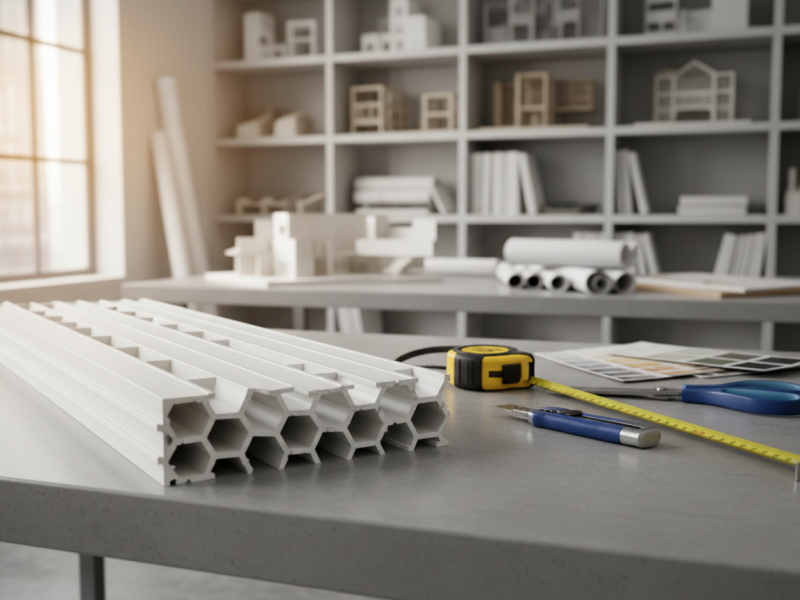
A hollow-core design boosts strength-to-weight ratio so crews carry more panels with less fatigue. Thermoplastic forming and tight process control ensure uniform thickness, reliable joint fit-up, and higher impact resistance during drops and rebar handling.
Choose panels by expected pour pressure, span between supports, and jobsite temperature to match the right resin and design to your project needs.
Standard Specs: Thickness, Size, and Board Formats We Produce
Defining size and thickness up front streamlines logistics and on-site layout. Below are standard options that suit common pours, handling limits, and repeat orders for U.S. projects.
Common thickness options
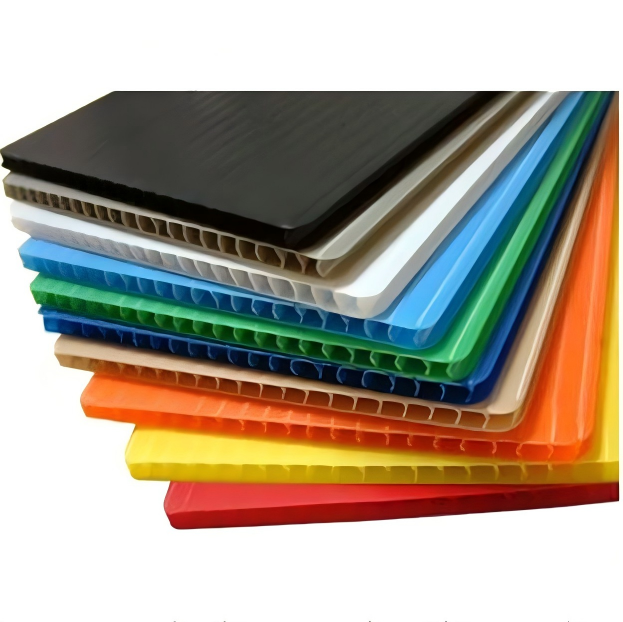
We produce panels in 12mm, 15mm, 18mm, and 20mm thickness. Thinner options reduce weight for frequent handling.
Thicker variants offer higher stiffness for wider spans or heavier pour pressures. Choose thickness based on support spacing and desired panel stiffness.
Popular panel sizes
Standard formats include 2440×1220mm and 1830×915mm. These sizes align with typical framing modules, trucking palettes, and crew handling preferences.
Hole configurations and layout
Round-hole and square-hole internal patterns are available. Round holes lower weight slightly and ease drainage.
Square holes give more uniform stiffness distribution and suit layouts with concentrated loads or repeated fastener locations.
Compatibility and custom runs
Crew compatibility covers fastening methods, edge protection, and planning for cut-downs at corners and penetrations. Pre-cut options reduce field labor.
We also offer custom sizes, trench beam forms, and repeatable custom runs for multi-site rollouts. Confirm materials and specs before production to ensure consistent results across shipments.
| Spec | Options | Typical use | Notes |
|---|---|---|---|
| Thickness | 12mm / 15mm / 18mm / 20mm | Light handling to heavy pours | Pick by pour pressure & support spacing |
| Size | 2440×1220mm, 1830×915mm | Standard framing & transport | Fits common pallets and trailers |
| Internal pattern | Round-hole / Square-hole | Weight vs stiffness trade-offs | Choose based on formwork layout |
| Custom | Non-standard dims, pre-cuts | Special beams, trenches | Repeatable runs for multi-site projects |
Construction and Formwork Applications for Hollow Boards
Using engineered plastic panels for beam and cap forms shortens site setup and improves repeatability. These systems are a rapid, cost-effective method for on-site concrete ground beams, pile caps, and foundation elements.
Concrete beam and trench use
Pre-cut shuttering drops into trenches to speed trench work and reduce preparation time. Consistent dimensions lower rework and keep pours aligned with design tolerances.
Jobsite efficiency and outcomes
Correctly selected forms can reduce excavation and optimize concrete volumes. Teams see faster cycles, less waste, and fewer corrections after curing.
Buildings, bridges, and crew workflows
Lightweight panels let hand-carried crews move more pieces per trip while maintaining toughness through repeated handling. For larger lifts, choose sizes suited to forklifts or pallet jacks to protect edges and speed staging.
- Core applications: ground beams, pile caps, grade beams, foundation elements.
- Trench workflow: drop-in shuttering for repeatable, fast pours.
- Lifecycle fit: reuse across projects without swelling or warping common in absorbent materials.
Performance Advantages: Quality, Durability, and Reuse Value in the Field
Real-world reuse and resistance to moisture shape total cost and crew efficiency. These traits drive measurable savings on schedule, labor, and replacement price for U.S. projects.
Reuse benchmarks are strong: standard panels commonly exceed 60 times in service. With careful handling and correct supports, some builds report more than 100+ times of reuse. That predictability cuts procurement cycles and lowers life-cycle cost.
Waterproof behavior matters in wet pours and washdowns. Water absorption is very low (≤0.5%, example 0.412%), so panels do not soak, delaminate, or swell. This keeps joint fit tight and prevents unsightly fins on concrete.
Corrosion resistance favors coastal, river, and mining sites where rust and degradation shorten other solutions. Dimensional stability holds across typical jobsite temperatures, so parts do not expand or shrink and stripping stays cleaner.
No release agent is required. Smooth polypropylene surfaces separate easily from concrete and deliver better surface finish with less patching. Minor damage is repairable: use glass glue for scratches and 12–24mm plastic plugs for hole repairs.
| Material | Typical reuse (times) | Labor & handling | Price & impact |
|---|---|---|---|
| Polypropylene (plastic) | 60 – 100+ | Lightweight, fast stripping | Moderate price, low lifecycle cost |
| Wood / plywood | 1 – 20 | Absorbent, more prep/repair | Low upfront, higher replacement cost |
| Bamboo plywood | 5 – 20 | Moderate weight, variable durability | Mid price, variable reuse |
| Steel | 20+ | Heavy, needs equipment | High price, durable but labor intensive |
Overall, selecting the right material improves quality and durability for construction formwork. These advantages translate to fewer delays, lower labor impact, and clearer budgeting across the industry.
Ordering, Custom Solutions, and Shipping Support for U.S. Projects
When specs and volumes are defined up front, custom runs and shipping fall into predictable windows. That clarity speeds quoting and lowers the chance of on-site problems during pours.
How we quote
Confirm thickness, size, resin or material choice, required strength, expected pour cycles, and total project volume. These items produce accurate unit price and delivery planning for U.S. projects.
Order volume and lead times
Higher repeat orders usually lower price and improve availability. Custom configurations, surface finish, and special packaging extend lead times, so plan consolidation for multi-drop jobs.
Shipping coordination to reduce delays
Use appointment deliveries, palletization or crating, clear labeling, and staging guidance to protect edges. Proper consolidation and labeling speed receiving and avoid damage at the site.
Quality control and measurable targets
Ask for QC proofs: Shore D hardness, Charpy notched impact, water absorption, and Vicat softening point. These metrics show the product meets impact, toughness, and surface quality expectations.
Basic installation guidance
- Place joints on wood or steel framing and keep them tight and flat.
- Seal gaps and open hole ends with tape to prevent slurry ingress.
- Orient internal holes perpendicular to the horizontal plane and firmly fix panels to prevent displacement during the pour.
Our customer service supports spec matching, shipping plans, and on-site guidance. That service helps avoid common failures and reduces cleanup and rework on construction projects.
Conclusion
Align product choices with field workflows to lower labor time and lifecycle spend. Start by matching plastic panels to how crews handle pieces and how often you expect reuse.
Choose the right board configuration by application, expected reuse times, and on-site handling realities. This reduces total construction cost and speeds cycles across common applications.
Key commercial advantages are predictable supply, stable specs, faster handling, waterproof behavior, and lower lifecycle replacement versus traditional options. Standardize a product set — thickness, size, and hole pattern — to simplify training and reordering.
Next step: request a quote with thickness, size, material, and project volume so shipping and delivery timing can be planned. Long-term value comes from pairing material and performance to the job, not only initial price.